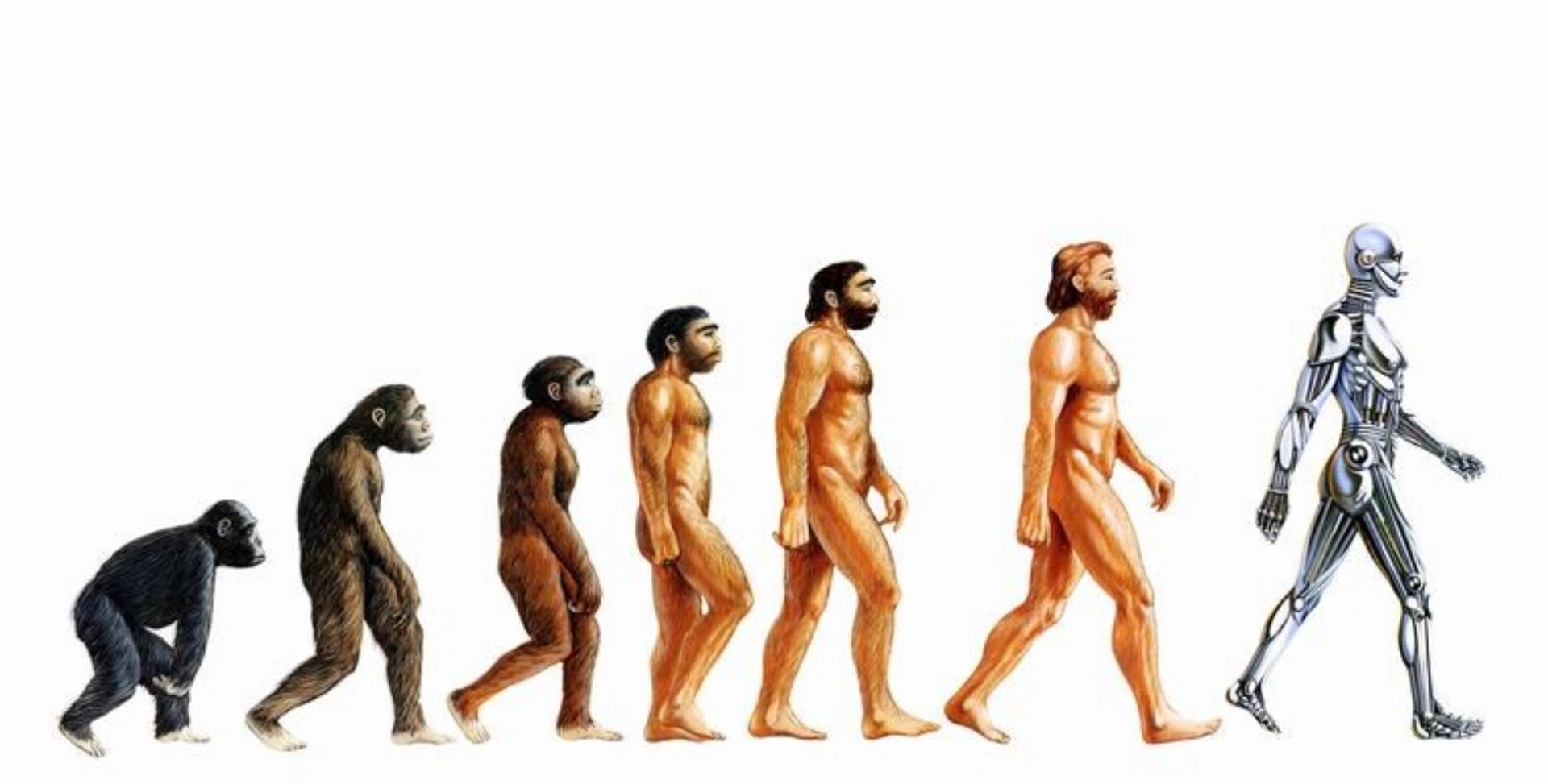

Miscellaneous4 - The end of Homo sapiens
How much time do we have?
Homo sapiens evolved about 300,000 years ago. We have come to dominate the earth like no other species ever did. Dominating should be taken literally. Don’t just dominate it all. But also exterminating other species (willingly or not) and depleting the natural resources, while on the other hand their own nest is becoming more and more polluted and uninhabitable. Eventually, humans will become extinct. We still have a maximum of one billion years. Because then the expanding sun will heat our earth like Venus and it will be uninhabitable for us. This is a certainty, and it does not add up to one million years. But most likely, it will come to an end for us much earlier. Estimates vary:
- Certainly for many decades to come.
- Almost certainly for several hundred years.
- Probably several thousand more years.
- Possibly a few tens of thousands of years.
- Drawing for a hundred thousand years seems too far-fetched, at least in our current state.
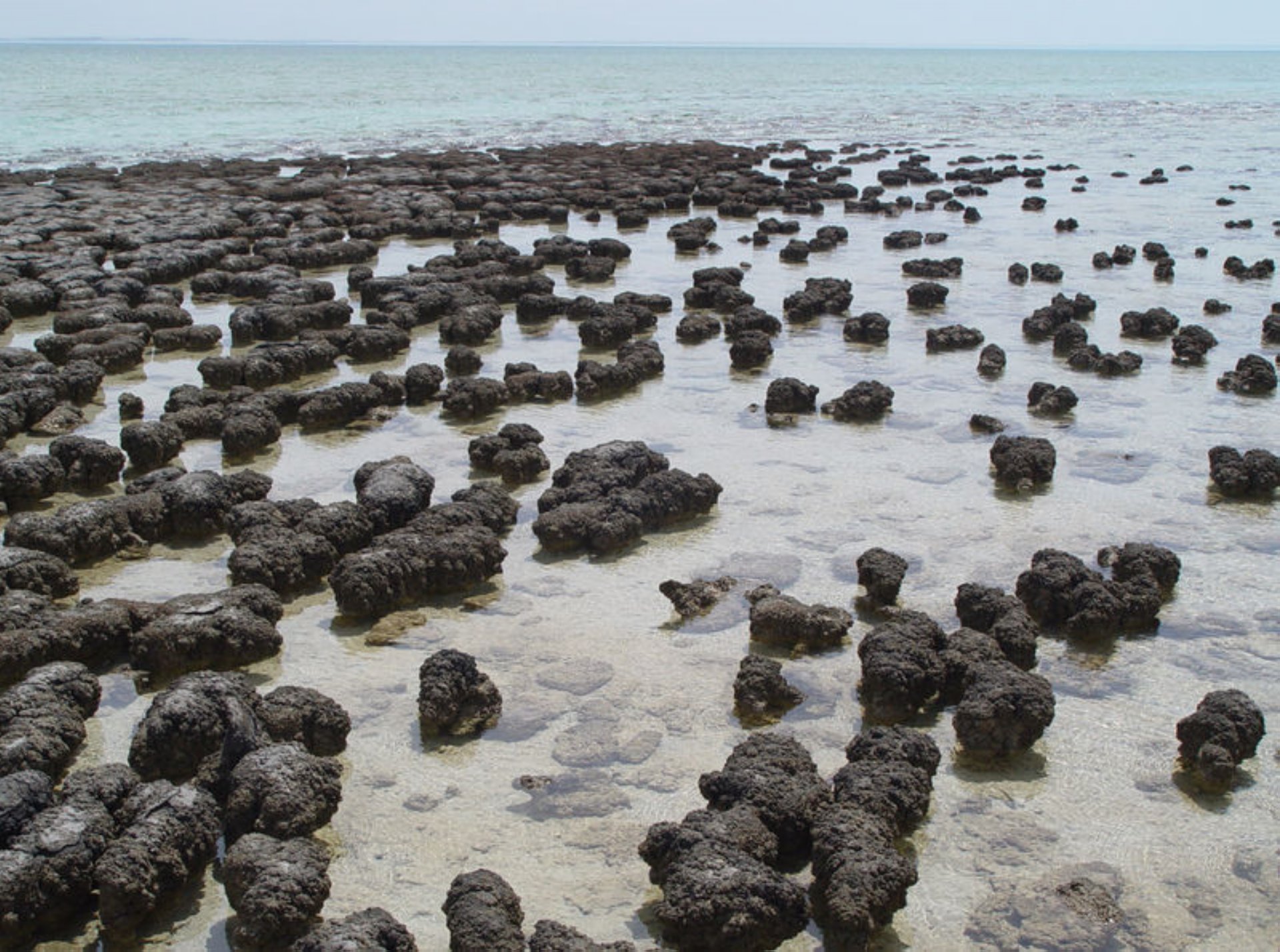
Let’s take a look at the first billion years. A billion years ago, life on Earth was made up of microbes. Multicellular life made its debut only about 600 million years ago. What life will look like in a billion years is anyone’s guess. It is predicted that the Earth’s atmosphere will contain very little oxygen by then. As a result, it is likely that not humans, but anaerobic microbes will be the last living inhabitants of the earth. So we as humans will never be able to perceive that the sun has started its last phase of life as a red giant.
Our fate will be decided a long time before that. Scenarios for that day are plentiful:
- Scenario 1 > Humans could be wiped out by a catastrophic asteroid.
- Scenario 2 > Humans can self-destruct with a global nuclear war.
- Scenario 3 > Humans may succumb to the ravages caused by climate change, a collapse of our ecological system.
- Scenario 4 > However, humans are a tough race, so the most likely scenario is a combination of catastrophes that could wipe us out completely.
- Scenario 5 > ?
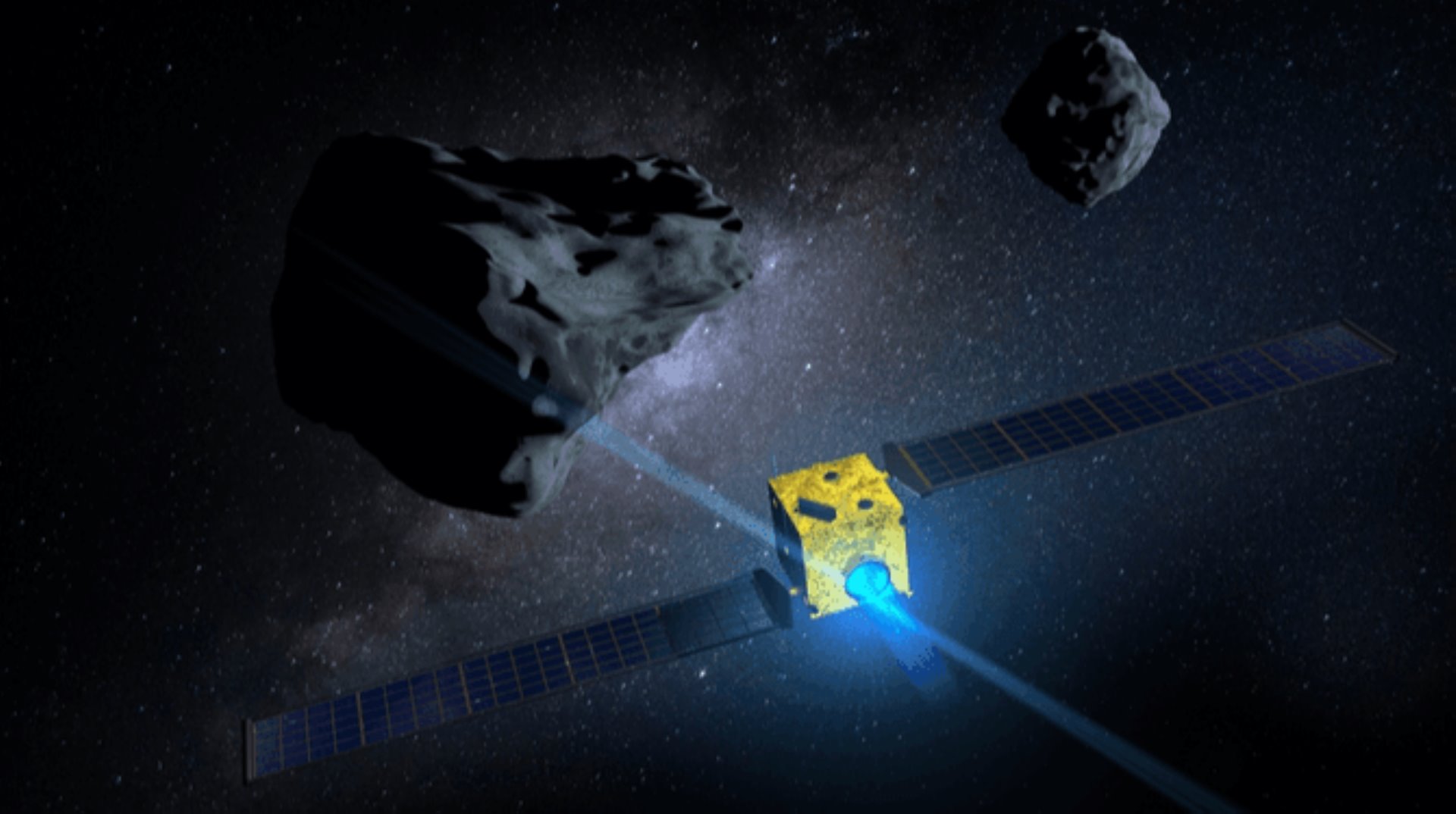
Scenario 1 > Humans could be wiped out by a catastrophic asteroid.
-The arrival of asteroids is out of our control. The asteroid that wiped out the dinosaurs had a diameter of 10 to 15 kilometers. Researchers state that similar asteroids hit Earth about every 250 to 500 million years. Note that the last time was about 66 million years ago.
-Humanity could save itself from such an asteroid, provided it is announced six months in advance. We have to have an arsenal of nuclear missiles to blow up that space rock into a cloud of harmless chunks, or we have to make the space rock change course by means of a collision.
-If we are only warned later whether it is a larger asteroid, then it does not look good for us.
Scenario 2 > Humans can self-destruct with a global nuclear war.
-An all-out nuclear war could easily destroy humanity. Our stockpile of nuclear weapons is more than enough to be able to do that dozens of times.
-The last time people dropped nuclear bombs on each other, only one country, the United States, had nuclear warheads. Thus, there was no risk of nuclear retaliation. That is no longer the case today and the bombs are also much bigger.
-The bombs that hit the Japanese cities of Hiroshima and Nagasaki in 1945 contained the equivalent of 15 and 21 kilotons of TNT, respectively. Together, they killed an estimated 210,000 people:
- A single modern-day 300-kiloton nuclear weapon dropped on New York City, for example, is widely believed to kill a million people within 24 hours.
- A regional nuclear war, for example between India and Pakistan, could kill 27 million people in the short term.
- A full-scale nuclear war between the U.S. and Russia could cause an estimated 360 million direct deaths.
-The threat to the survival of humanity would only come after the war. When the soot from the massive fires would rapidly change the climate in a scenario known as nuclear winter. Fears of such a nuclear winter have diminished since the end of the Cold War. But since the invasion of Ukraine, that fear has been on the rise again.
-The consequences for the environment would be very serious. Even a regional nuclear war would deplete the ozone layer, block sunlight, and reduce precipitation worldwide. That would lead to global mutations and a famine that could kill more than five billion people in just a few years, depending on the scale and number of blasts.
Scenario 3 > Humans may succumb to the ravages caused by climate change, a collapse of our ecological system.
-Death from ecological pollution or global warming would be slower, but is still possible.
-People are already facing health problems from chronic pollution that are exacerbated by increasing heat. Higher temperatures force people to breathe faster to dissipate heat. As a result, more pollution ends up in their lungs.
-Global warming is also exacerbating existing food security problems. Farmland can be destroyed and infectious diseases can emerge.
-Efforts are now being made to restore and limit the consequences. But that road is steep (because we have known about it for 30 years but have done nothing about it) and that road is narrow (because we have already missed some opportunities and some things simply cannot be reversed) It is sometimes said: “Once the glaciers are gone, they will never come back.”
Scenario 4 > However, humans are a tough race, so the most likely scenario is a combination of catastrophes that could wipe us out completely.
-Seems like the most likely, actually. Even if we don’t experience the impact of a meteorite and even if there is no real nuclear war (but there are still some conventional conflicts), we are moving in the wrong direction towards uninhabitability. Because of:
- Pollution.
- Shortage of raw materials.
- Overpopulation.
- Aggression and bigotry.
-Can we learn anything from the demise of some super-civilizations? Perhaps, but nowadays the human race is already so mixed that an ordinary illness/cold will not have fatal consequences (as was the case in the past).
-So it will be a combination of circumstances, only Covid 19 is not enough. An infectious disease can kill many people, but there will also be a group that is resistant to it and survives.
-Possibly an accumulation of disasters then:
- Suppose our immune system fails us, then of course we have to be careful.
- Rising sea levels will certainly lead to a massive relocation, possibly destroying agricultural land and endangering food production.
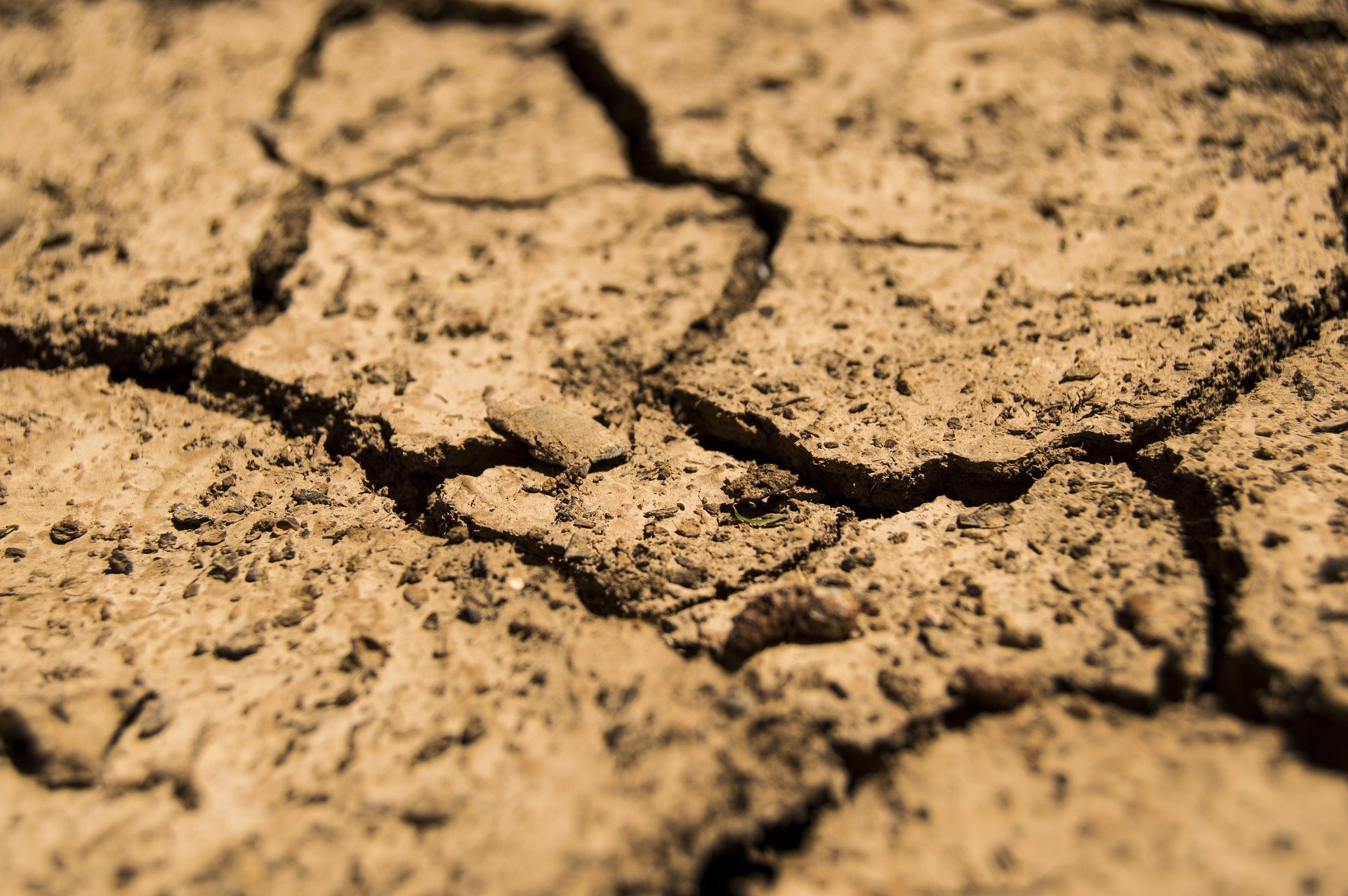
- Persistent drought and overwhelming floods will certainly lead to a decrease in the value of our properties. And moreover, to the loss of materials that will then have to be remanufactured. So this is coming. Because limiting global warming to 2° already seems impossible.
-One bright spot: it’s not hard to imagine how the human population might dwindle when faced with an arsenal of challenges. Whether this will then become a self-regulating system is certainly not yet certain.
-We must put an end to:
- The warm-up.
- Overexploitation.
- Destruction of nature.
- Use of land and water in an unsustainable way.
- Creation of chemicals that are harmful to the environment.
- The greed?
Scenario 5 > ?
-Perhaps we should take into account that our own technology will kill us.
-For example, if artificial intelligence becomes self-aware and decides to eradicate its creators. Critics suggest this.
Comments